Dietary Supplement Labels: What Packaging Buyers Should Check Before Printing
A lot of dietary supplement labels do not go wrong at the printing stage.
They go wrong earlier.
Usually the pattern is the same. A brand team finishes the design, everyone likes how clean the bottle looks, the file gets passed around, and only then does somebody ask the question that should have come up much sooner: where is all the required content actually supposed to go?
That happens more often than people think.
Especially in supplements.
For packaging buyers, supplement packaging label options are rarely just a print order. They sit right at the intersection of compliance, materials, production specs, and shelf appearance. If one of those gets treated like a separate conversation, the job starts to wobble.
And to be honest, a lot of label vendors still handle supplement work too casually. They will quote fast. They will talk about colors, finishes, and lead time. Some of them still will not ask about batch coding, rewind direction, machine application, or whether the content load is already too heavy for a standard label.
That is where avoidable problems begin.
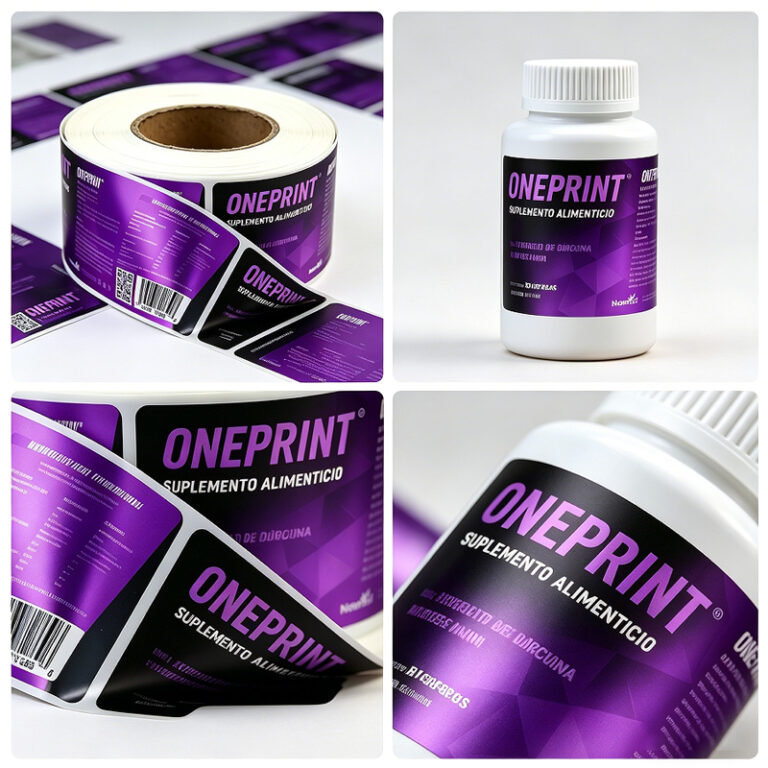
Why Dietary Supplement Labels Need More Planning
Supplement packaging looks simple from the outside.
A bottle label, a clean front panel, maybe a nice matte finish, maybe some metallic detail if the brand wants a more premium shelf look.
Then the rest of the content shows up.
Now you need space for the Supplement Facts panel, ingredients, directions, warnings, storage language, distributor information, net contents, maybe a barcode, maybe a lot number, maybe an expiration date, maybe even multi-language content if the product is sold into more than one market.
That is when first-time supplement projects usually run into trouble.
Not because the design is bad. Just because nobody respected how much information this format has to carry.
Sometimes the right answer is a booklet label, and it would have been much cheaper to decide that before the artwork was built around the wrong structure.
FDA Supplement Label Requirements Buyers Should Leave Room For
This is the part buyers should not leave until final artwork review.
In the United States, dietary supplement labels may need space for a Supplement Facts panel, ingredient information, net quantity, identity statement, directions, warnings, and the name and place of business for the manufacturer, packer, or distributor. The exact requirements depend on the product and market, so brands should review the current FDA guidance and have their compliance team or regulatory consultant check the final artwork before printing.
The practical printing issue is simple: compliance copy takes space. If the label format is too small, the design team usually starts shrinking type, squeezing panels, or pushing important information into places that are hard to read. That is where a print job becomes a packaging problem.
For official background, start with the FDA Dietary Supplement Labeling Guide.
What Packaging Buyers Should Confirm First
Before comparing prices, confirm whether the format itself makes sense.
- How much content actually needs to live on the label
- Whether a standard label is enough or the job already needs a booklet label
- What material actually matches the packaging conditions
- Whether variable data or batch coding needs to be planned from the beginning
- Whether the roll format matches the packaging line
How Much Content Needs to Live on the Label?
This is the first question, and it is the one teams skip all the time.
Buyers should check the product format, bottle or container dimensions, required content load, whether the label wraps fully or only covers one panel, whether variable information needs to be printed or added later, and whether the same SKU may need multiple languages.
If the content is already crowded at the planning stage, it usually does not get easier later.
It gets tighter.
When a Booklet Label Makes More Sense
This is where supplement packaging separates itself from a lot of simpler consumer products.
Some SKUs are fine with a standard roll label. Others clearly are not, even if people try to force them into one.
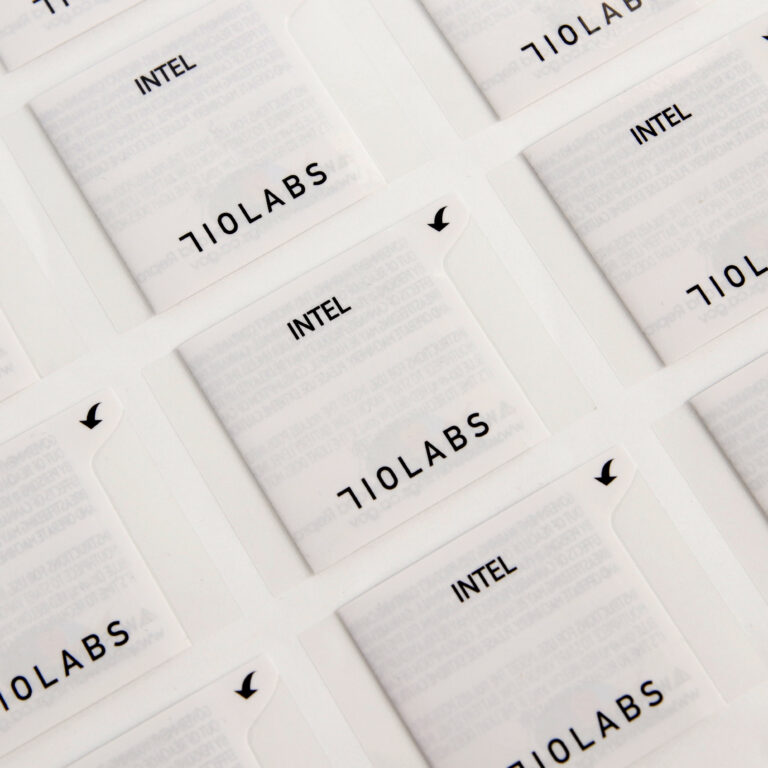
Booklet labels make sense when there is limited surface area, the ingredient and usage content is long, multi-market or multilingual packaging is involved, the brand wants a cleaner outward appearance, or regulatory copy is starting to dominate the design.
A lot of teams wait too long to make this decision. By the time they accept they need an extended content format, the artwork has already been built for something else.
That is not a fun correction.
Material Choice Is Not Just a Visual Decision
This is another place where supplement labels get oversimplified.
Buyers do not need the most expensive material by default. They need the material that matches the product, container, handling conditions, and visual goal.
Common choices include BOPP for solid all-around performance and moisture resistance, PET when stronger durability or a more premium look is needed, paper for certain natural or craft-style branding directions, clear film labels when the brand wants a no-label look, and foil labels when shelf impact matters.
What matters is not what looks good in a flat proof. What matters is what still looks good after filling, packing, shipping, handling, and sitting on a shelf.
For more background, this article can support readers with durable label materials.
For procurement, it helps to compare materials by failure mode, not just appearance.
| Label choice | Best fit | Why buyers choose it | What to check before printing |
|---|---|---|---|
| White BOPP | Vitamin bottles, gummies, capsules, and general supplement packaging | Clean print surface, good moisture resistance, and reliable everyday performance. | Confirm adhesive, bottle surface, and roll specs before automated application. |
| Clear BOPP or PET | Brands that want a transparent no-label look | Lets the bottle or product color show through while keeping the label modern and quiet. | Check adhesive haze, edge lift, bottle clarity, and whether white ink is needed behind text. |
| Paper | Natural, craft, or wellness-positioned supplement lines | Gives a warmer, less plastic feel when the use environment is controlled. | Avoid assuming paper is fine for moisture, oils, heavy handling, or bathroom storage unless protected. |
| Foil or metallic finish | Premium supplement launches and higher-margin SKUs | Adds shelf impact without changing the basic label structure. | Keep small compliance text readable and confirm coding areas before production. |
| Booklet construction | High-content SKUs, multilingual packaging, or small containers | Creates more room without making the front label look crowded. | Decide early, because booklet labels affect artwork, quote, testing, and lead time. |
Most Supplement Label Problems Are Not Design Problems
They show up as design problems.
But usually they are specification problems in disguise.
A label lifts because the surface and adhesive were not matched properly. The print area feels cramped because no one accounted for the true content load. The job gets delayed because batch coding was mentioned too late. The labels arrive in the wrong roll format for the packaging line because the buyer assumed the supplier would ask about it.
If labels are going onto an automatic applicator, buyers should confirm core size, winding direction, outer diameter, label orientation, application speed, and quantity split by SKU. This is not glamorous packaging talk. It is the stuff that prevents headaches in production.
If you want a basic format comparison, review roll label specs for automatic labeling machines.
Variable Data Gets Ignored Until It Suddenly Matters
Supplement labels often need more than static branding and regulatory copy.
Depending on the workflow, you may also need lot numbers, batch codes, expiration dates, QR codes, traceability fields, or serialized information.
The mistake is treating those as a finishing detail. They are not.
Variable data affects layout planning, print method, readable space, finishing choices, and sometimes even material selection. If that requirement only comes up after artwork approval, the team usually ends up reworking something it thought was already settled.
For projects with serialization, QR codes, or batch-level tracking, buyers should look at variable data labels early in the sourcing process.
Shelf Look Matters, But Not in the Way People Think
Yes, supplement packaging has to look good.
Yes, finish matters.
Matte can feel cleaner and more premium. Gloss can make colors pop harder. Clear labels can create a modern no-label look. Foil can push the product into a more premium visual tier.
But buyers get better results when they treat finish as part of performance, not just branding. A beautiful finish that scuffs too easily, lifts on the container, or complicates coding is not really a better finish. It is just a nicer problem.
The right supplement label supports the product visually, and it behaves well in production.
What Good Supplement Label Suppliers Usually Do Better
A good supplier does more than print what it is given.
That sounds obvious, but in practice it is a real dividing line.
The better suppliers usually help buyers think through whether the format should be standard, wraparound, or booklet, whether the content load is realistic, which material suits the container and environment, which finish adds value without creating problems, whether variable data needs to be planned in from the beginning, and whether the roll specs match the packaging process.
That is the difference between buying labels and buying packaging support. For supplement brands, especially private label programs or growing SKU lines, that difference matters more than a small unit price gap on paper.
Cheap is easy to quote.
Useful is harder.
Common Mistakes Buyers Run Into
There are a few mistakes that show up again and again with dietary supplement labels.
- Choosing materials mostly by appearance
- Underestimating how much space compliance content will need
- Assuming a standard label will be fine because the bottle does not look that small
- Bringing batch coding into the conversation too late
- Treating machine application details like a separate production conversation
- Choosing the supplier based on print cost instead of whether they asked the right questions
That combination usually creates the mess. Not every time. But enough times that experienced buyers stop ignoring it.
Final Buyer Checklist Before Printing
Before requesting pricing or approving production, make sure these points are clear:
- Container size and shape
- Label dimensions
- Total content load
- Material choice
- Finish requirement
- Adhesive suitability
- Roll format and machine specs
- Variable data needs
- Whether a booklet label is required
- Market-specific compliance review
If those are clear early, the project tends to move like a print job. If they are not, it turns into a correction cycle.
What to Send When Requesting a Quote
A useful quote request should give the label supplier enough information to check format, material, and production fit before pricing.
If you want the first quote to be useful, send these details together instead of spreading them across several emails.
| Quote detail | What to send | Why it matters |
|---|---|---|
| Container | Bottle or jar size, shape, surface, and product photos if available | The container affects label size, adhesive choice, and how much wrap area is realistic. |
| Artwork | AI, PDF, or dieline file, plus any compliance copy still under review | The supplier can flag crowding, bleed, small text, or missing production details earlier. |
| Order quantity | Total quantity, SKU count, and whether designs share the same size | Pricing changes quickly when quantities are split across many SKUs. |
| Material and finish | BOPP, PET, paper, clear, foil, matte, gloss, or unknown if you need advice | This helps separate a real production quote from a guess. |
| Application method | Manual application or machine application, plus core size and rewind direction if known | Many delays happen because roll specs are treated as a later detail. They are not. |
| Variable data | Batch code, lot number, expiration date, barcode, QR code, or serialized fields | Variable data can change material, finish, artwork space, and inspection requirements. |
| Timeline | Target approval date, delivery date, and launch window | The supplier can recommend a format that fits the schedule instead of one that only looks good on paper. |
That information makes the first quote more useful, and it gives the supplier a chance to flag problems before they become production delays.
FAQ
Need Custom Dietary Supplement Labels?
If you are sourcing dietary supplement labels for a new product launch or an existing supplement line, it helps to work with a supplier that understands more than just print output.
At One Print Pack, we support custom dietary supplement labels in roll formats for production use, including clear labels, foil labels, variable data labels, and extended content booklet labels for more complex packaging needs.
If you already have artwork, bottle specs, or content requirements in progress, you can start with a quote request and review the best label format, material, and production setup before printing.